Drakenstein Lion Park: A journey in rescuing abused lions and promoting animal welfare
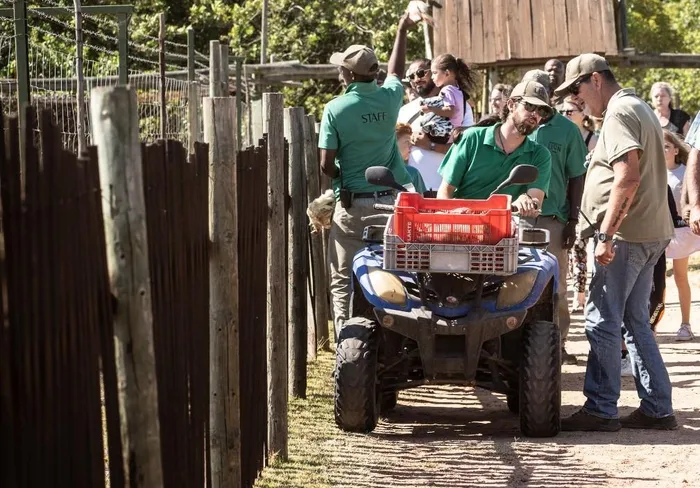
As Drakenstein Lion Park marks 28 years of rescuing abused lions, the non-profit sanctuary says one of its biggest challenges remains legally confiscating animals from their abusers. Pictured are Shane Hart on the quad bike and his father, Paul, standing next to him during one of the lion feeding times. Staff members in green tops and khaki pants are joined by visitors.
Image: Shawn Levin
As Drakenstein Lion Park marks 28 years of rescuing abused lions this year, the non-profit sanctuary says one of the biggest challenges remains legally confiscating the animals from their abusers.
Its founder, Paul Hart, said the sanctuary was established in 1998 out of necessity to provide ethical, lifelong homes for previously abused, captive-bred lions.
“No such facility existed in South Africa at that time. The first few years were very tough as we had very limited finances and sacrificed considerably to provide for the animals in our care.
“Requests for homes for big cats far outstripped our available capacity and what followed was 15 years of intensive expansion until all of our land was converted into species-appropriate big cat habitats."
Today, the sanctuary cares for 20 lions. It does not breed, trade or allow any visitor interaction with its animals.
Pythagoras, a lion affectionately known as Pi, arrived at the sanctuary in April 2024 after being rescued from abuse in Lebanon.
“We first heard about Pi when Animals Lebanon sent us videos that the influencer had posted of himself dragging Pi around on a chain and beating Pi. We immediately sprang into action with Animals Lebanon to ensure we could have him confiscated and rescued,” said Shane Hart, the assistant director at the sanctuary.
Another lion, Dodo, was rescued from Romania in 2009 after being kept in a three-metre by three-metre underground concrete pit. Shane said it took three years of effort to secure the animal’s rescue from an individual who had tried to doom him to a life of knowing only snow and concrete.
“The abusers clearly do not care about the animals’ well-being, so ensuring confiscation can happen is a much more complicated process than one would expect,” he said. “Every rescue is unique in terms of the animal and the circumstances, meaning the complications we face are unique for every rescue.”
He added, “I would like to say that we have the process of a rescue down to a fine art, also with the help of Animal Travel Services for customs clearance, but no rescue is ever easy, and each rescue gives me a few more grey hairs.”
Over the years, Drakenstein Lion Park has rescued big cats from countries including Argentina, Chile, Romania and Lebanon. The sanctuary is often contacted by animal welfare organisations when abused animals are identified.
In addition to lions, the facility also cares for four chimpanzees at its Chimp Haven, which is closed to the public, as well as a selection of farmyard animals.
Another lion, Brutus, arrived in March 2010 after being abused in a French circus.
“Without a sanctuary like us to rescue and care for him, a lion like Brutus, whose jaw was brutally broken while he was being beaten by a circus, that it never straightened again, would have been forced to 'perform' unnaturally until his body would have given out and he would have been discarded as nothing but a prop,” said Shane.
Samanta Stelli, spokesperson for the National Council of Societies for the Prevention of Cruelty to Animals (SPCAs), said real sanctuaries prioritise animal welfare and neither trade in nor breed animals - standards that Drakenstein Lion Park adheres to.
She added that they encourage the public to observe lions in nature reserves, where the animals can remain wild.
“True sanctuaries prioritise welfare and do not allow animals to breed. They offer large areas where lions can retreat from public view and are not forced into interactions. Lionesses are highly protective mothers, and there is generally no medical reason to remove cubs.
"Facilities that promote cub petting, lion walks, or hands-on tourism raise serious ethical concerns, as these practices often form part of a commercial breeding cycle,” she said.
“We encourage the public to support ethical venues and rather view lions in recognised nature reserves, where they can remain wild.”
Shane believes their lions cannot be released into the wild, as they were all rescued from abusive circumstances.
However, the Drakenstein Lion Park will be marking its 28th anniversary on Thursday, April 2. The lions park welcomes support in the form of donations, adoptions, visits, overnight stays, or corporate contributions.
For more information, send an email to info@lionrescue.org.za.
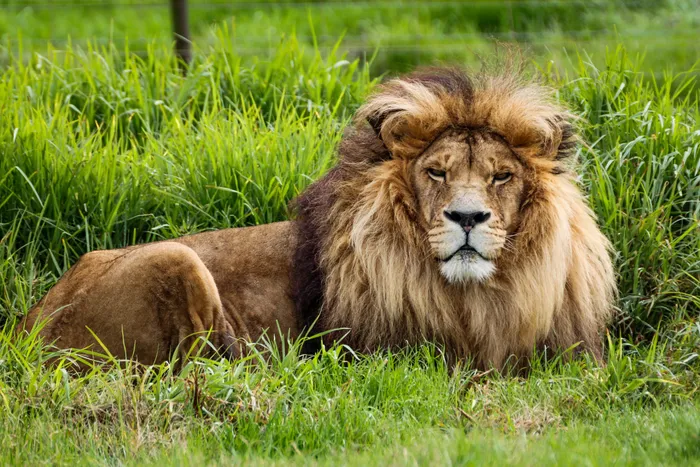
Ringo, rescued from a French circus in 2008, now lives at Drakenstein Lion Park.
Image: Shane Hart
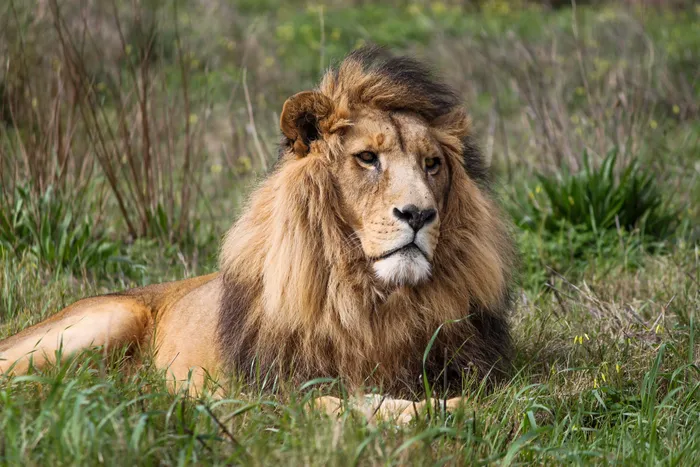
Asad was rescued from life as an illegal pet in Lebanon in 2012.
Image: Shane Hart
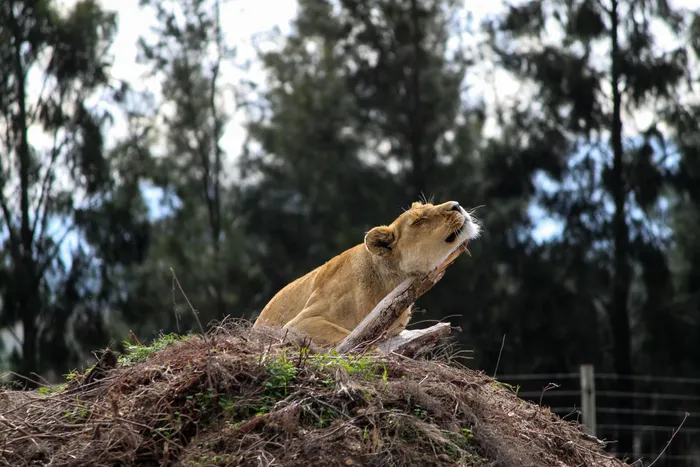
Kala, rescued from the canned hunting industry, has been in the care of the Drakenstein Lion Park since 2017.
Image: Shane Hart